
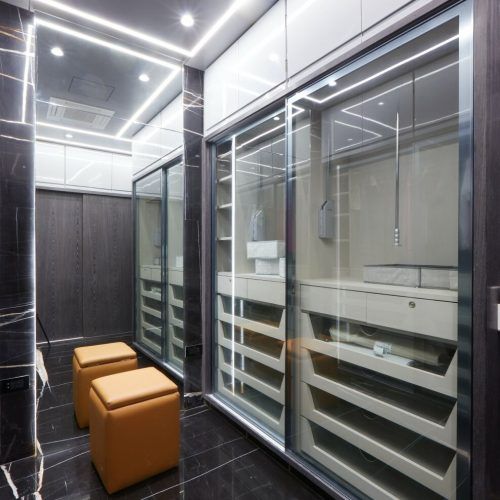
Four commercial formats, four different economics
| Format | Typical size | ₹ per sq ft | What decides the design |
|---|---|---|---|
| CIDCO sector shop | 250 – 700 sq ft | ₹1,400 – 1,900 | A standard shell repeated across sectors; rollouts are easy here |
| Mall unit — Vashi, Seawoods, Nerul | 600 – 4,000 sq ft | ₹1,850 – 2,500 | Landlord fit-out window, drawing approvals, night working |
| Palm Beach and arterial showroom | 2,000 – 8,000 sq ft | ₹1,650 – 2,300 | Car arrival, frontage, display lighting, marine shopfront |
| Clinic or diagnostic centre | 800 – 3,000 sq ft | ₹1,750 – 2,400 | Regulated finishes, drainage, equipment loads |
| Coaching and education | 1,200 – 5,000 sq ft | ₹1,400 – 1,850 | Acoustic separation and occupant density |
Ex-GST. Excludes equipment, licences and landlord deposits.
The rollout advantage nobody mentions
CIDCO built the sector markets to standard unit sizes. A shop in a Nerul sector market and a shop in a Vashi sector market are frequently within a few square feet of each other, with the same frontage width, the same shutter, the same shell height and the same services position. For a brand opening four or six outlets across the nodes, that is worth real money: one design, one prototype, one cutting list, and each subsequent unit costs 12 to 18% less than the first because nothing is being re-drawn. We have not found that anywhere else in this region — a multi-outlet rollout in the western suburbs means six bespoke projects wearing the same brand.
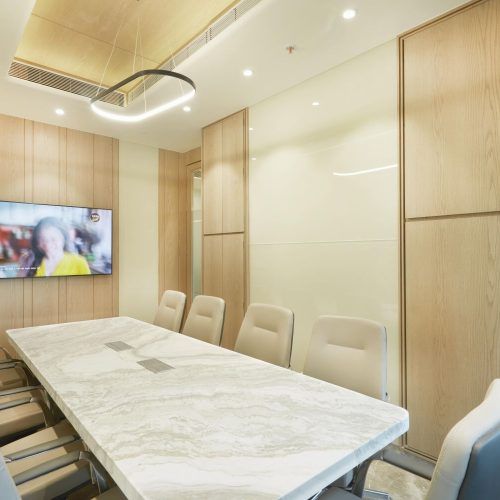
Standard shells, repeatable rollouts, somewhere to park
Worked example: 3,000 sq ft showroom, Palm Beach Road
A ground-floor unit with a long glazed frontage, its own parking apron and a mezzanine allowance. Furniture and home electronics, high display standards, a design consultation area and a small store.
| Scope | ₹ lakh | Note |
|---|---|---|
| Strip-out and protection | 1.40 | Previous tenant's fixtures removed; frontage hoarded |
| Civil and blockwork | 3.10 | Store, consultation room, staff area and washroom |
| Shopfront and glazing | 7.80 | Powder-coated aluminium with marine-grade fixings; 14 m of frontage |
| Display joinery and fixtures | 16.20 | Vignette platforms, wall systems, consultation table, cash desk |
| Flooring | 4.50 | Large-format porcelain with a timber inset to the vignettes |
| Ceiling and lighting | 9.60 | Track and accent lighting at 3,000 K with high colour rendering |
| Electrical, DB and small power | 5.20 | Track circuits zoned per vignette; power to display appliances |
| HVAC | 4.10 | Ducted system sized for the glazed frontage's solar gain |
| Fire detection and suppression | 1.60 | Detection, sprinkler alterations, extinguishers |
| Signage and external works | 1.30 | Fascia signage and the parking apron marking |
| Project management and contingency | 0.70 | Against the glazing lead time |
| Total, ex-GST | 55.50 | ₹1,850 per sq ft carpet |
Add 18% GST. Lighting and its electrical infrastructure are 27% of this contract; in a showroom that is where the money should be.
Two constraints, and one thing to check before signing
- Marine exposure on the western frontages. Palm Beach Road, the Seawoods creek edge and the Airoli frontage carry genuine salt. Shopfront sections go to powder-coated aluminium with marine-grade fixings, external signage to the same standard, and the entrance door hardware to SS 316. Inland sector units do not need it and should not pay for it.
- Sector market unit conditions. CIDCO shop units carry conditions on permitted trade, external alterations and shutter lines. Combining two adjacent units, which brands often want, needs consent rather than a contractor with a hammer. We check the documentation at survey, because the alteration you cannot reverse is the one that surfaces at the next transfer.
- Check the drainage before you sign an F&B lease. Many sector market units were never provided with a grease line or adequate kitchen drainage falls. Retrofitting means an interceptor and a pumped line, which can be ₹3–5 lakh and needs the building's agreement. It is a twenty-minute check and it has saved several of our clients from a bad lease.
Vashi and Belapur, where weekday trade actually exists
Most of Navi Mumbai's retail is weekend-weighted, because the nodes empty on weekday mornings. Vashi and Belapur are the exceptions and it is worth understanding why before choosing between them. Vashi carries genuine all-week footfall from the sector 17 market, the station and the surrounding offices, which supports food, services and fast-turnover retail through the week. Belapur's weekday trade is narrower and more specific: it comes from the CBD's office population, so lunch, coffee, pharmacy, printing and professional services do well and leisure retail does not. Design accordingly. A Vashi unit is planned for an even week; a Belapur unit is planned for five lunch hours and a quiet Saturday, which changes seat count, staffing and kitchen capacity more than it changes the finishes.
For the region node by node, including housing and offices, see interior designers in Navi Mumbai. For our commercial process across Mumbai, see commercial interior designers in Mumbai.
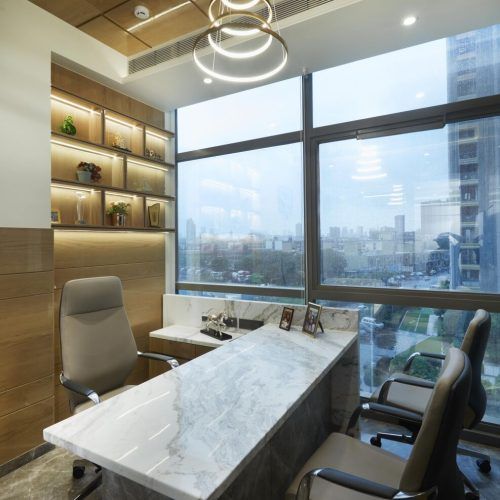
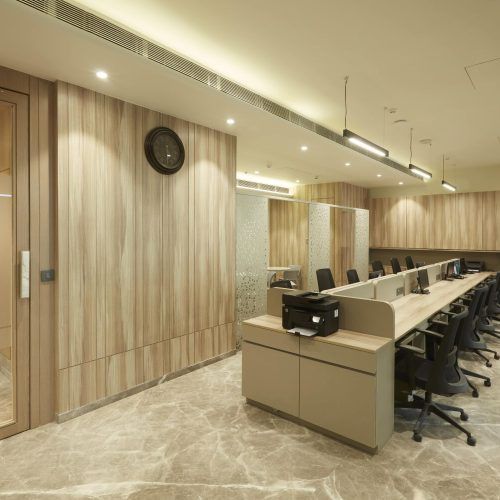
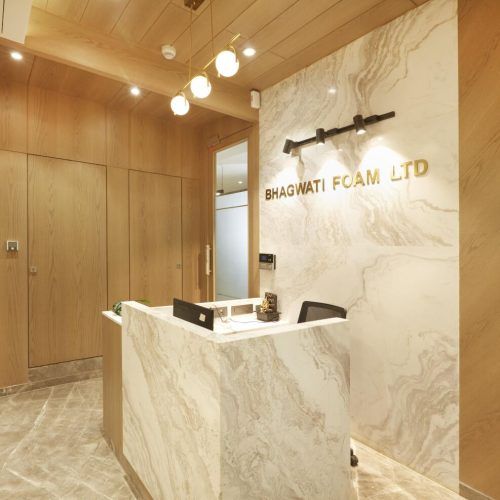
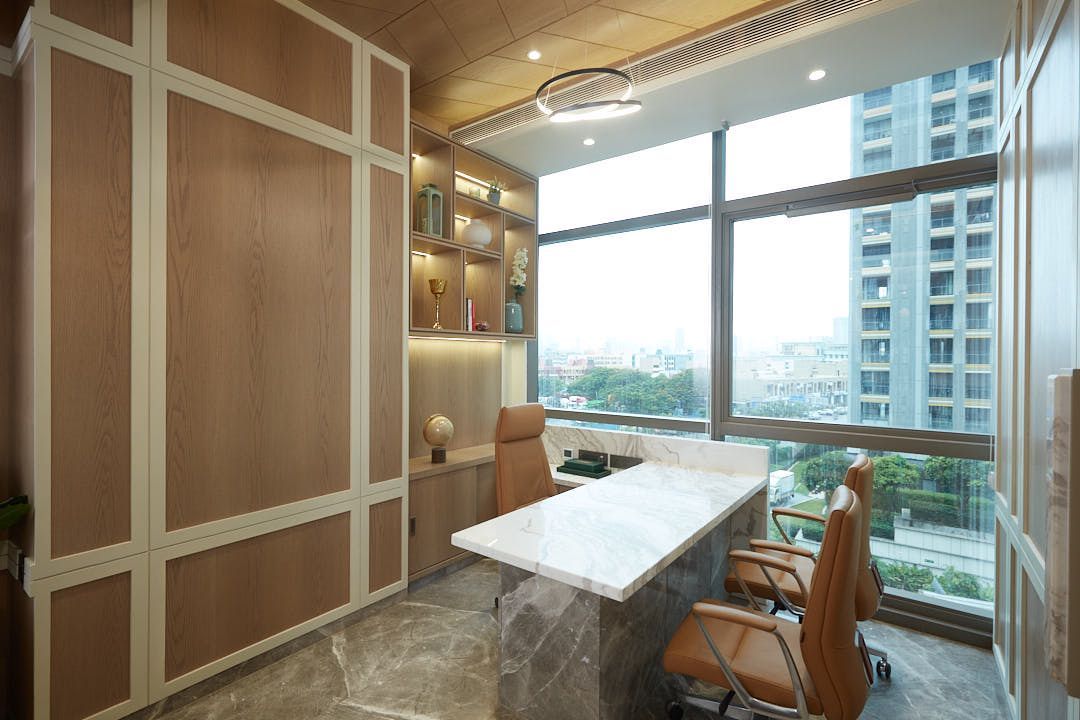
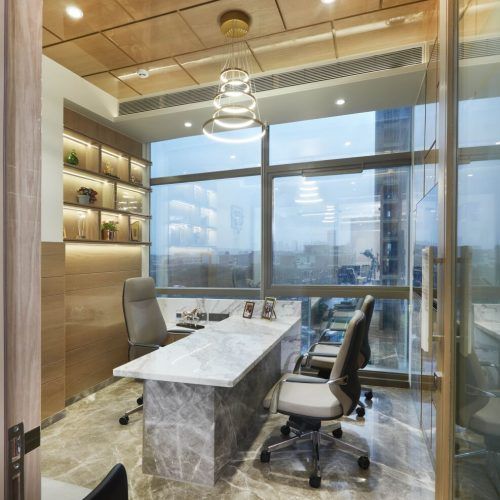
Showroom and retail work by Greenbox Design Studio.
Frequently asked questions
Why do large showrooms work in Navi Mumbai and not in the western suburbs?+
Parking and road width. A customer will drive to a Palm Beach Road showroom, park without circling, and spend an hour inside. The same brand on Link Road in Malad gets a fraction of the dwell time because arriving is difficult. It changes the format that is viable, not just the rent.
Can you repeat the same design across several sector shops?+
Yes, and this is the one market in the region where it works properly, because CIDCO built the units to standard sizes. One design, one prototype, one cutting list, and each subsequent unit runs 12–18% cheaper than the first. We quote a rollout as a programme rather than as separate projects.
Does a Palm Beach frontage need marine specification?+
Yes — powder-coated aluminium sections, marine-grade fixings, SS 316 door hardware and coastal-rated glazing seals. Mild steel and standard hardware on that frontage look neglected within two monsoons. Two sectors inland it is unnecessary and we would not specify it.
We want to open a restaurant in a sector market unit. What should we check?+
Drainage and the grease line first, then the permitted trade on the unit, then whether the exhaust can reach roof level. Many sector units were built for dry retail and retrofitting kitchen drainage means an interceptor and a pumped line — ₹3–5 lakh and the building's consent. Check it before signing, not after.
How long does a Navi Mumbai showroom take?+
Nine to twelve weeks for a 3,000 square foot unit. Access is easy and working hours are unrestricted in most standalone buildings, so the programme is driven by the shopfront glazing lead time and the lighting delivery rather than by site constraints. Mall units are a different case and run to the landlord's window.