

Slab specification: the numbers to put on the order
| Parameter | Options | What we specify | Why |
|---|---|---|---|
| Slab size | 3,050 × 1,400 / 3,200 × 1,600 mm | 3,200 × 1,600 mm | Fewer seams on a long run |
| Thickness | 12 / 20 / 30 mm | 20 mm with a mitred 40 mm front edge | 30 mm doubles the cost of transport and handling for no gain |
| Quartz content | 85 – 93% | 90% minimum | Lower filler content means better abrasion resistance |
| Finish | Polished / honed / leathered | Polished for kitchens, honed for vanities | Honed shows water marks; polished shows scratches |
| Edge profile | Square / pencil / bullnose / mitred | Mitred for islands, pencil elsewhere | Mitre reads as a thicker slab without the weight |
| Sink cut-out | Undermount / drop-in | Undermount with a polished reveal | No lip to trap water — matters in a working Indian kitchen |
2026 Indian rates
| Category | Slab rate (₹/sq ft) | Typical character |
|---|---|---|
| Entry engineered quartz, plain colours | ₹380 – 520 | Solid white, grey, black; fine speckle |
| Mid-range, veined patterns | ₹520 – 720 | Marble-look veining, consistent slab to slab |
| Premium, large-format veining | ₹700 – 950 | Book-matchable veins, deeper colour |
| Fabrication — cutting, edging, polishing | ₹180 – 450 per running foot | Includes sink and hob cut-outs |
| Mitred 40 mm front edge | ₹350 – 600 per running foot | Adds labour; worth it on an island |
| Splashback in matching quartz | ₹420 – 900 per sq ft | Seamless with the counter; no grout line |
A 14 running foot L-shaped counter in mid-range quartz with a sink cut-out is typically ₹78,000–1,05,000 installed, ex-GST.
Design and build under one accountable roof
Heat, stains and the two things that actually damage it
Quartz is harder than granite on the surface and immune to the acids that ruin marble. Its vulnerabilities are specific and worth understanding before you buy.
- Direct heat. The resin binder discolours above roughly 150°C. A kadhai off the burner onto the counter leaves a dull grey ring that no polishing removes. A trivet solves it entirely; a client who will not use one should be given granite instead.
- UV. Over several years of direct sunlight the binder ambers. Fine for an internal counter; not for a balcony bar or a window-side breakfast counter in a west-facing flat.
- Strong alkalis. Oven cleaner and drain cleaner etch the resin. Everyday kitchen cleaners do not.
- Impact at an unsupported edge. A 20 mm slab overhanging more than 250 mm without support will crack at the sink cut-out corner. Steel flat support is a specification item on any breakfast bar.
Mumbai fabrication: where quality is won or lost
The slab is a manufactured product with consistent quality. The countertop is a hand-made object, and in Mumbai it is usually made by a fabricator subcontracted by whoever supplied the slab.
- Seams. Agree seam positions on a drawing. A seam in the middle of a 12 ft run is far less visible than one at the sink, and a seam under a hob is the one place it will eventually open.
- Template, then cut. The counter must be templated after the carcasses are installed and levelled, not from the design drawing. A 10 mm error in a wall line becomes a visible wedge of silicone.
- Support. The carcass tops must be level within 2 mm over the run. A slab laid on an uneven carcass is under permanent stress and cracks at the cut-out in the first year.
- Cut-out corners. Insist on radiused internal corners at the sink and hob cut-outs. Square internal corners are where almost every countertop crack starts.
Care, life and BOQ wording
- Daily: soapy water and a cloth. Nothing else is needed and nothing else is better.
- Never: bleach left standing, oven cleaner, abrasive powders, or a hot vessel placed directly.
- Sealing: not required, ever. If someone quotes you annual sealing for quartz, they are quoting for granite.
- Expected life: 20–25 years in a Mumbai kitchen, with appearance largely unchanged.
- BOQ: “Countertop in 20 mm engineered quartz, minimum 90% quartz content, slab 3,200 × 1,600 mm, polished finish, mitred 40 mm front edge; undermount sink cut-out with polished reveal and radiused internal corners; seam positions per approved drawing; templated on site after carcass installation.”
- BOQ: “Rate inclusive of cut-outs, edge polishing, transport, hoisting and installation. Steel flat support to all overhangs exceeding 250 mm.”
Specification summary
| Property | Specification |
|---|---|
| Composition | 88 – 93% quartz in polyester binder |
| Thickness | 20 mm, mitred to 40 mm at the front |
| Porosity | Non-porous; no sealing required |
| Heat limit | Approximately 150°C — always use a trivet |
| UV | Not suitable for sustained direct sunlight |
| Rate | ₹380 – 950 per sq ft slab, plus fabrication |
| Life | 20 – 25 years |
| Best for | Mumbai kitchen counters, vanities, splashbacks |


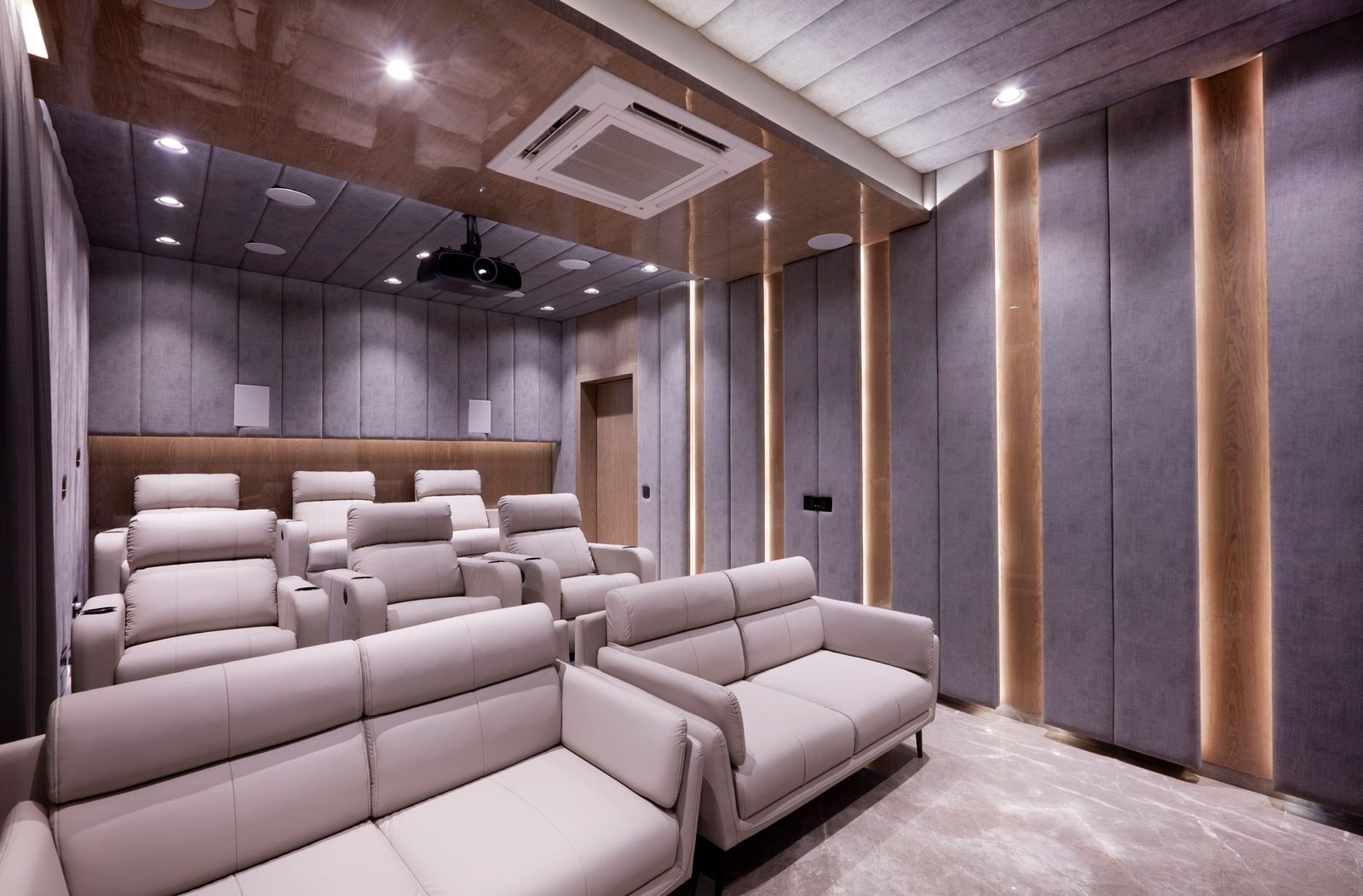
Selected work by Greenbox Design Studio. Tap any image to enlarge.
Frequently asked questions
Does quartz need to be sealed?+
No. It is non-porous because the quartz grains are bound in resin with no interconnected pore structure. Sealing is a granite and marble requirement. Any quote that includes annual quartz sealing is selling you something you do not need.
Can I put a hot pan on a quartz counter?+
Not directly. The resin binder discolours above roughly 150°C and the mark is permanent. This is the one practical advantage granite retains. If your cooking style involves moving vessels straight from flame to counter, granite is the more forgiving surface.
Is quartz better than granite for an Indian kitchen?+
For most homes, yes — no sealing, no staining from turmeric or lemon, consistent appearance and better hygiene at the sink. Granite wins on heat and on cost at the lower end. Our quartz versus granite page sets both out with rates.
How many seams will my kitchen have?+
One seam per 10–10.5 feet of run, since the usable slab length after edge trimming is about that. An L-shaped kitchen usually has one, at a point you choose. Insist on seeing the seam marked on a drawing before the slab is cut.
Why is my quartz counter cracked at the sink?+
Almost always a square internal corner at the cut-out combined with an uneven carcass top. Stone concentrates stress at a sharp internal corner and any flexing finds it. Radiused corners and a carcass level within 2 mm prevent it, and both are cheap at the time and expensive afterwards.