
Five briefs we actually receive
| Household | Where | The non-negotiables | What that means in a flat |
|---|---|---|---|
| Gujarati and Marwari | Ghatkopar, Malabar Hill, Walkeshwar, Borivali | A proper pooja room; a pure-vegetarian kitchen; a formal seating area for guests | Pooja as an enclosed room not a niche; a separate dry kitchen or a clearly zoned one; a living room that seats twelve |
| Tamil and Malayali | Chembur, Matunga, Powai, Navi Mumbai | Teak or rosewood joinery; a lamp position; oxide or kota flooring; a traditional entrance | Timber-led joinery, a nilavilakku position by the entrance, kota or oxide in the passage |
| Maharashtrian | Dadar, Girgaon, Thane, Vile Parle | Devghar; a place for Ganpati; brass and copper; a receiving space at the door | Devghar with ventilation and a lamp; a living room that clears for the festival; a wide entrance |
| Punjabi and North Indian | Andheri West, Juhu, Khar | A large formal living and dining; a substantial kitchen; guest-facing generosity | Dining for eight to ten, a kitchen with real preparation area, a strong entrance |
| Parsi and Bohra | Colaba, Grant Road, Dadar Parsi Colony | Louvred shutters, high ceilings, family furniture that must be accommodated | Restoration-led work; existing pieces measured and designed around rather than replaced |
Every household is individual. These are the recurring patterns, not rules about anybody.
Where things come from in this city
- Brass and copper — Bhuleshwar and Zaveri Bazaar. Lamps, urlis, handles, inlay strip and repoussé work. Prices are negotiated and the quality range in one lane is enormous, so go with the piece dimensions written down.
- Reclaimed teak — Kurla, Bhiwandi and the Panvel timber yards. Old doors, columns, beams and window frames from demolished buildings. Availability decides the design here, not the other way round; select physically and reserve.
- Stone — Kandivali and Bhiwandi yards. Kota, Jaisalmer, Dholpur and Indian marbles are all available; athangudi tile is not local and has to be ordered from Tamil Nadu with a six to twelve week lead.
- Textiles — Crawford Market, Mangaldas Market and Girgaon. Hand-block cotton, mashru, khadi and mill-made traditionals. Pre-shrink everything before it is made up; Mumbai humidity finishes the job otherwise.
- Carvers and inlay workers are a small group in the MMR and are booked eight to fourteen weeks ahead. If a carved element is in the scheme, it is ordered at concept stage.
- Oxide flooring teams come largely from Kerala and Karnataka and travel. Book them, and give them a clean dry week; oxide laid in the monsoon does not cure evenly.

Five communities, five different briefs, one city
What the climate does to this palette
| Material | Mumbai behaviour | What we do |
|---|---|---|
| Brass and copper | Tarnishes visibly within weeks; green verdigris near the sea | Lacquer where a bright finish is wanted; elsewhere specify an antique finish and let it age |
| Solid teak panels | Move 4–7 mm across 600 mm between January and August | Floating panels in grooves, breather gaps, never a wide fully glued panel |
| Oiled timber finish | Needs refreshing every 18–30 months here | Specify it knowing that, and leave the client a tin and instructions |
| Thikri and mirror work | Adhesive fails in humidity if the substrate is damp | Mechanically keyed substrate, moisture-tested wall, no application in the monsoon |
| Red oxide floor | Excellent here; cool, durable, ages well | Cure properly; do not lay between mid-June and late September |
| Hand-block cotton upholstery | Fades in direct light, holds moisture | Line the curtains, pre-shrink, and keep heavy natural textile away from a west window |
| Cane and rattan | Loosens and can bloom with mildew | Treated cane, and not in an unairconditioned room that stays shut |
Fitting a vocabulary into a Mumbai flat
- Concentrate it at the entrance. The first three metres of a flat carry the whole impression. A traditional door, a lamp position, a floor change and one piece of brass do more than the same money spread across four rooms.
- Make the pooja room a real room where you can. In a 2BHK that usually means a 900 × 1,200 mm enclosed unit with a door, ventilation and a lamp-safe surface, rather than a shelf in the kitchen.
- Keep the ceiling out of it. At 9′6″ there is no room for exposed rafters or a carved ceiling. A timber-lined soffit over the dining table is the one move that works.
- Use the passage. Every Mumbai flat has a dead corridor, and it is the right place for a kota or oxide floor change, a jaali screen or a run of family photographs in traditional frames.
- Design around the furniture that is coming with them. Traditional households almost always have inherited pieces. Measure them at the survey and design the room around them rather than discovering them at handover.
- Modern kitchen, traditional dining. Nobody wants a traditional kitchen to cook in. Make the kitchen contemporary and efficient, and let the dining room carry the tradition.
A Matunga family kept their grandmother’s teak swing. We measured it on the first visit, built the living room around its arc, and it is the only thing anyone comments on.
Greenbox principal designer
Rates by suburb
| Area | Traditional scheme ₹/sq ft | Local note |
|---|---|---|
| Malabar Hill, Walkeshwar, Colaba | ₹4,380 – 6,820 | Older premium stock, high craft content, heritage constraints on some buildings |
| Bandra West, Juhu, Khar | ₹3,650 – 5,840 | Larger formal entertaining areas; salt air rules out unlacquered brass outdoors |
| Matunga, Dadar, Chembur | ₹3,040 – 4,620 | The deepest traditional client base in the city; good local craft access |
| Ghatkopar, Powai, Mulund | ₹2,920 – 4,380 | Newer towers; taller slabs allow a timber soffit and a proper pooja room |
| Borivali, Kandivali, Thane, Navi Mumbai | ₹2,800 – 4,140 | Larger flats, lower rates, easiest logistics for timber delivery |
Carpet area basis, ex-GST. The number is driven by square feet of hand work, not by the size of the flat. These suburb bands come from traditional homes Greenbox has built and invoiced, held at October 2026.
The vocabularies themselves
The four regional languages, the craft elements and their national rates, and the editing rules for a modern home are set out on traditional Indian interior design. For the pooja room in detail, pooja room designers in Mumbai; for orientation and placement, vaastu interior designers in Mumbai.

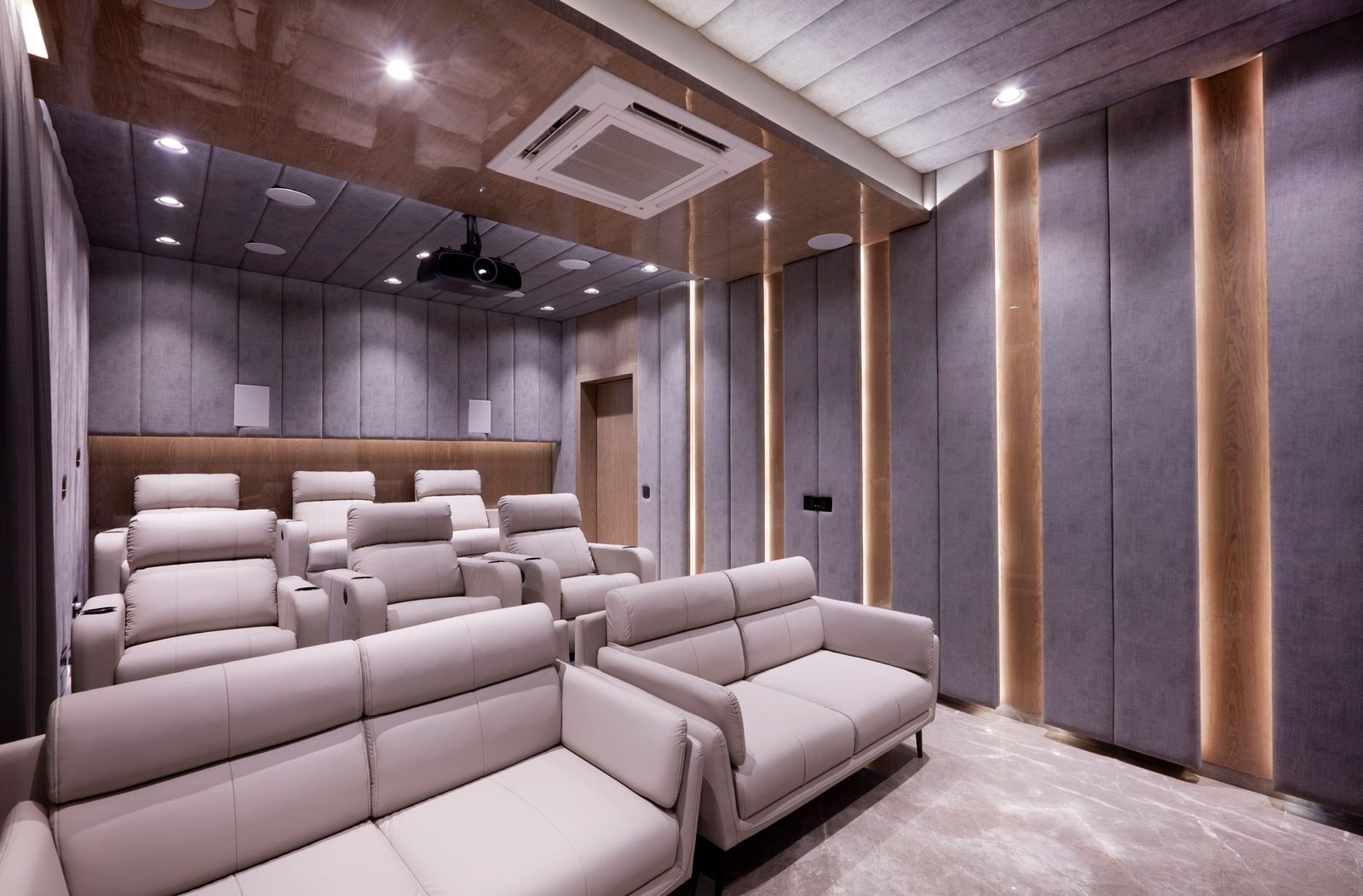
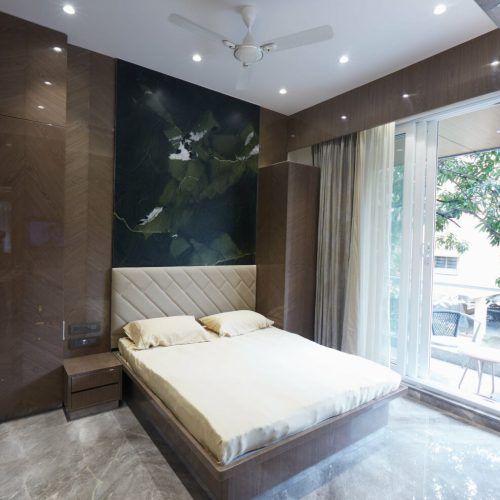

Selected work by Greenbox Design Studio. Tap any image to enlarge.
Frequently asked questions
What does a traditional Indian interior cost in Mumbai?+
₹2,800–₹4,140 per sq ft of carpet area in Borivali, Thane and Navi Mumbai, ₹3,040–₹4,620 in Matunga, Dadar and Chembur, ₹3,650–₹5,840 in Bandra West and Juhu and ₹4,380–₹6,820 in Malabar Hill and Colaba. Ex-GST. The figure is driven by square feet of hand work rather than by flat size.
Where do you source traditional materials in Mumbai?+
Brass and copper at Bhuleshwar and Zaveri Bazaar, reclaimed teak at Kurla, Bhiwandi and the Panvel yards, stone at Kandivali and Bhiwandi, and textiles at Crawford, Mangaldas and Girgaon. Athangudi tile is not local and comes from Tamil Nadu with a six to twelve week lead. Carvers and inlay workers in the MMR book eight to fourteen weeks ahead.
Does brass tarnish quickly in Mumbai?+
Yes, visibly within weeks, and near the sea it goes to green verdigris. Either lacquer it where a bright finish matters — accepting that lacquer needs redoing every few years — or specify an antique finish from the start and let it age deliberately. Unlacquered bright brass outdoors in Juhu or Bandstand is a maintenance commitment.
How do you fit a traditional vocabulary into a small Mumbai flat?+
Concentrate it at the entrance, which carries the whole impression; make the pooja room a real enclosed unit rather than a kitchen shelf; use the dead passage for a floor change or a jaali; keep the ceiling out of it because 9 ft 6 in has no room for rafters; and design around the inherited furniture that is coming with the family.
Can I have a traditional kitchen?+
You can, and almost nobody wants to cook in one. The practical answer we use repeatedly is a contemporary, efficient, well-ventilated kitchen and a dining room that carries the tradition — timber, brass, a traditional floor and the family pieces. Where a pure-vegetarian arrangement is required, that is a zoning and ventilation decision, not a stylistic one.
When can oxide flooring and mirror work be done?+
October to May. Red oxide flooring does not cure evenly in monsoon humidity, and thikri mirror work fails at the adhesive if the substrate is damp. Both need a dry week and a moisture-tested wall. Timber joinery, brass fitting and textile work can all proceed year round.