
The healthy schedule
Below is the structure we use and the structure most established Mumbai studios will accept if asked. Each stage pays for work that has already been done or material that is physically present, which is the entire point.
| Stage | Share | Released when | What it funds |
|---|---|---|---|
| Design and drawings | 10% | Layouts, 3D and BOQ signed | Design labour and documentation |
| Procurement | 30% | Materials at factory or site | Plywood, laminate, hardware, boards |
| Installation | 30% | Joinery fixed in place | Fabrication and fitting labour |
| Finishing | 20% | Paint, ceiling, electrical complete | Finishing trades and fittings |
| Retention | 10% | Snag list closed and signed | Your leverage at handover |
GST is added to each invoice as it is raised, not held to the end.
Notice what the structure does. At every point in the programme, the value of drawings, materials and installed work on your side is roughly equal to or greater than the cash you have released. That balance is the whole design intent, and it is why the percentages are less important than what triggers them. A 15/25/30/20/10 split is equally sound if the triggers are the same; a 10/30/30/20/10 split is worthless if all five stages are dated rather than evidenced.
What each stage genuinely funds
Clients sometimes read the design payment as a fee for pictures and the procurement payment as a deposit. Both readings understate what is being bought, which makes the schedule feel arbitrary. It is not.
- Design (10%). Measured site survey, layout options, elevations, electrical and plumbing drawings, ceiling and joinery details, 3D views, and the BOQ itself. On a ₹20 lakh project this is ₹2 lakh for four to six weeks of a designer's time, which is roughly cost.
- Procurement (30%). Plywood, laminate, hardware, boards, adhesives and edge banding for the whole project, bought at one time so the batch matches. Studios pay their suppliers on delivery or within thirty days; this milestone funds that, not margin.
- Installation (30%). Carpentry, fabrication and fitting labour, plus the project management overhead of four months on your site.
- Finishing (20%). Ceiling, painting, electrical fittings, glass, mirrors, upholstery and the hundred small items that make the difference between built and finished.
- Retention (10%). Nothing. That is the point — it is a held balance, released when the snag list closes.
Design and build under one accountable roof
Schedules that should worry you
Compare any proposed schedule against the cash position it creates. The question is simple: at every point in the project, is the value of work in place at least equal to what you have paid?
| Proposed schedule | Paid before installation | Risk |
|---|---|---|
| 10 / 30 / 30 / 20 / 10 | 40% | Balanced — materials are on site |
| 25 / 50 / 25 | 75% | High — you fund fabrication and overheads |
| 50 / 40 / 10 | 90% | Severe — no leverage after week three |
| Monthly calendar billing | Varies | Pays for time, not progress |
| Full advance with discount | 100% | You are an unsecured lender |
The 50/40/10 structure deserves a specific warning. It is common among small fabricator-led outfits, and it is not automatically dishonest — many genuinely cannot buy ₹6 lakh of material without client money. But it means that by the end of week three you have paid ninety per cent and hold nothing but a promise. If you accept it because you know and trust the outfit, at least insist that all material is delivered to your flat rather than a godown, and photograph it.
Practices that catch people out
- Milestones defined by date, not deliverable. 'End of week six' pays regardless of what exists on site. 'Wardrobe carcasses fixed in both bedrooms' does not.
- Retention quietly dropped to 5%, then to nothing. Retention is the only reason a snag list gets closed promptly. Hold it.
- GST invoiced separately and late. Perfectly legal, and it lands as an unbudgeted ₹2–₹3 lakh in month four unless you planned for it.
- Variations added to the next milestone instead of billed separately. This makes the schedule impossible to audit. Every variation gets its own signed note and its own line.
- Material advance requested for 'price protection'. Sometimes genuine for imported stone or hardware. Ask for the supplier proforma in the studio's name before releasing it.
- Final payment demanded before snagging. Handover and snag closure are two events, not one.
What to check before each release
A five-minute check before every payment prevents most disputes. Each release should be matched to something you can photograph.
- Before the procurement release: delivery challans with brand names, or factory photographs of cut panels with your project reference.
- Before the installation release: carcasses fixed and levelled, shutters hung, hardware operating.
- Before the finishing release: ceiling complete, two coats of paint on, light fittings live, switches functioning.
- Before retention release: written snag list issued by you, every item signed off, warranty documents handed over.
- At every release: a tax invoice, not a proforma, and a running statement of what has been paid against what has been billed.
Retention is not distrust. It is the mechanism that makes the last five per cent of a project happen at all.
Greenbox project manager
If you have already overpaid
It happens, usually because a studio offered a discount for a large advance. Recovery is about converting cash into visible assets. Ask for immediate delivery of material to your site rather than the studio's godown, take photographs of everything delivered, get the BOQ restated as a value-of-work-done statement, and shift every subsequent release to installed-and-verified milestones. Where a studio is genuinely struggling, material on your floor is worth far more than a promise in an email.
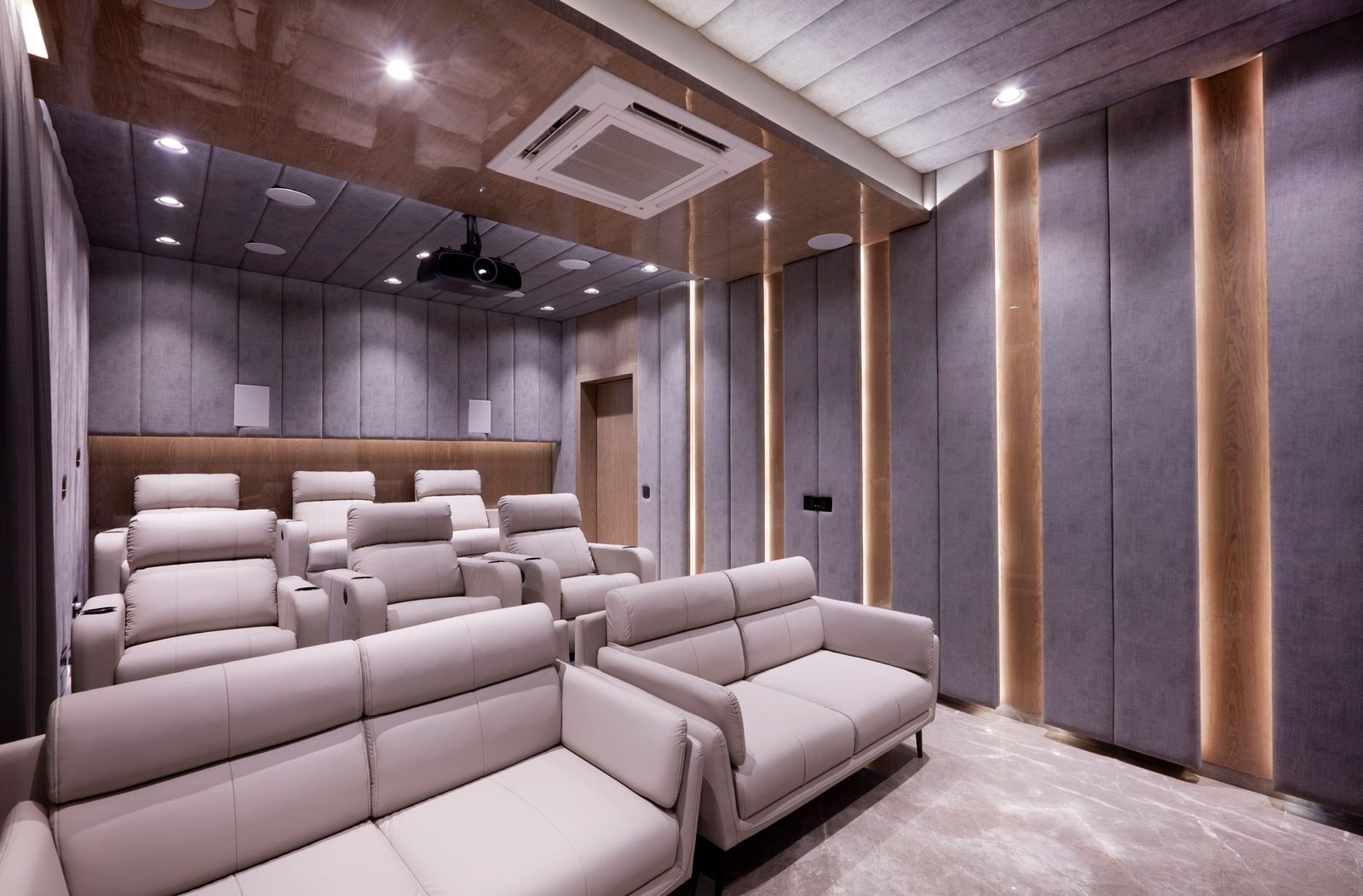
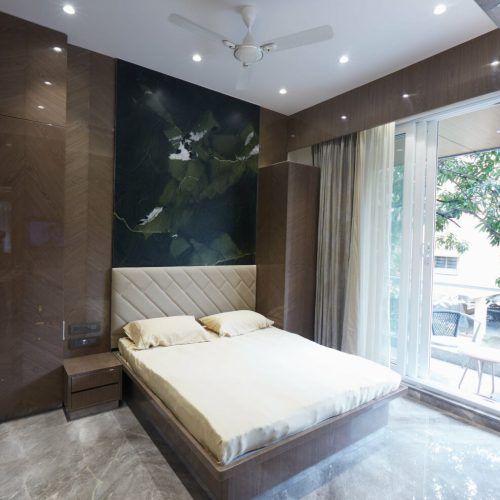
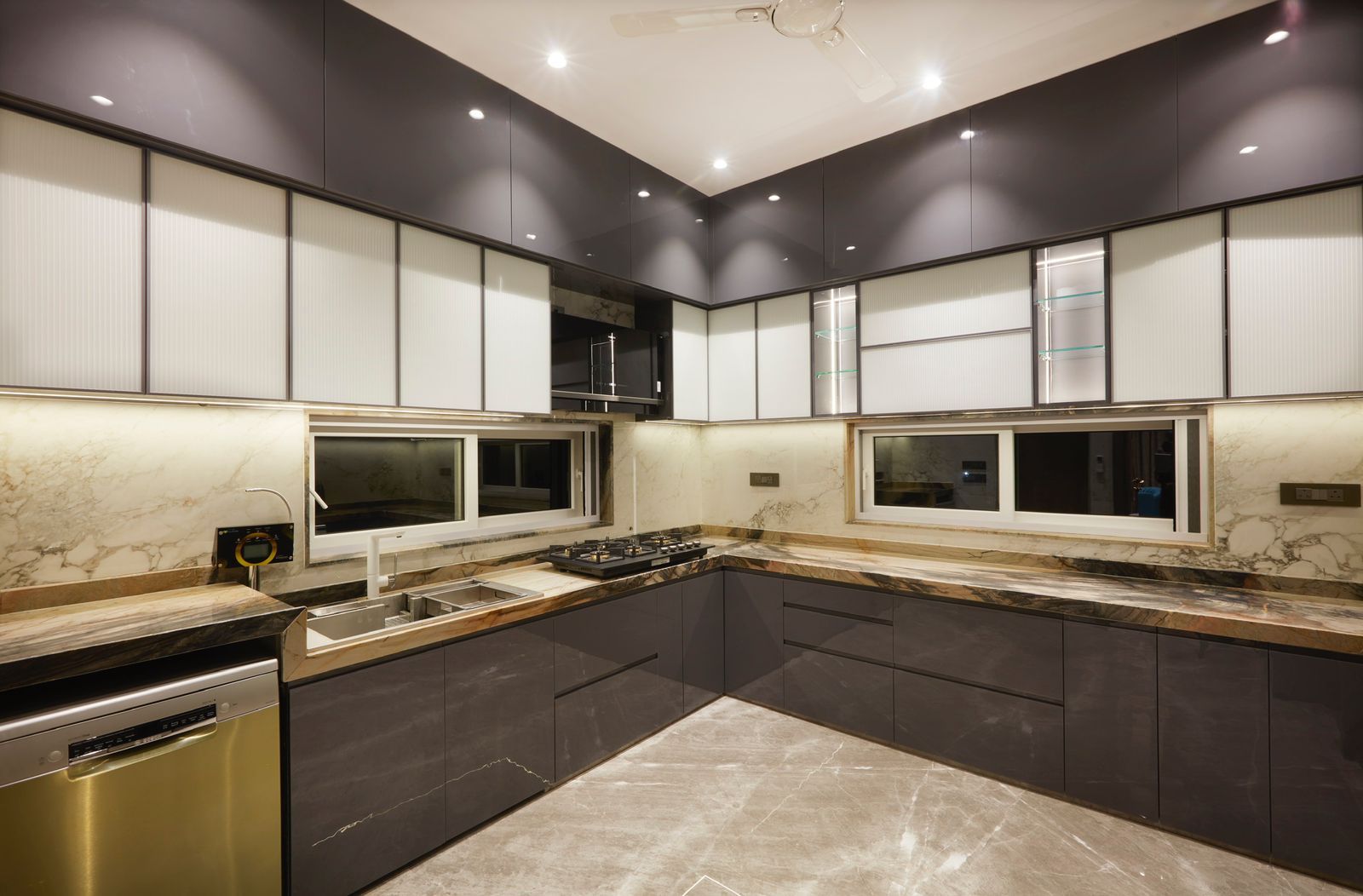
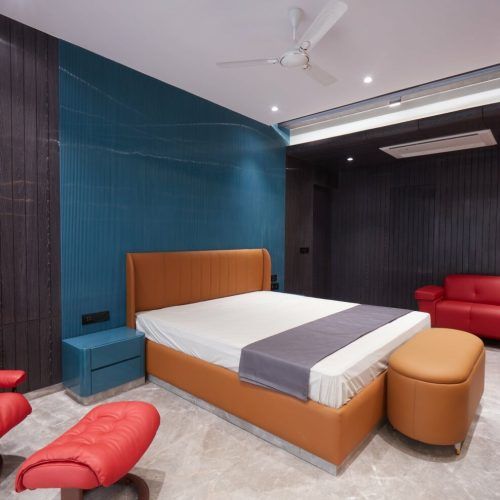
Selected work by Greenbox Design Studio. Tap any image to enlarge.
Frequently asked questions
What is a normal advance for interior work in India?+
Ten per cent against signed drawings and BOQ, with a further thirty per cent when materials reach site or factory. An advance above 25% before any material exists is a financing request rather than a deposit, however it is described.
Should I hold retention on an interior project?+
Yes — ten per cent until the snag list is closed and warranty documents are handed over. It is the only leverage you have once the space is usable, and it typically shortens the snagging phase from weeks to days.
When is GST payable on interior work?+
As each tax invoice is raised, at 18% on the service component. It is not deferred to the end. On a ₹20 lakh project that is roughly ₹3.6 lakh spread across the milestones, which needs to be in your cash-flow plan from the start.
Can I pay a designer monthly instead of by milestone?+
You can, but it pays for elapsed time rather than progress, and it removes the studio's incentive to finish. If monthly billing is unavoidable for accounting reasons, cap each month's invoice at the certified value of work completed.
What if the studio refuses a retention clause?+
Ask why. Established firms accept 5–10% retention as ordinary commercial practice. A flat refusal usually means the firm is cash-constrained, which is exactly the situation retention protects you from.