
Check a room against traditional guidance
Pick the room and the direction it sits in, measured from the centre of the home.
How this checker works
- Each of the ten room types carries two lists: directions traditionally described as favourable, and directions widely treated as acceptable.
- Your chosen direction is matched against those lists. A match in the first returns Favourable, a match in the second Acceptable, and anything else returns Traditionally avoided.
- Every combination also returns the remedy most commonly suggested for that room when the position cannot change, and a practical note where daylight, ventilation or plumbing gives an independent reason.
- Nothing here is randomised or personalised. The same room and direction always return the same answer, and the whole dataset is published in the table below.
| Room | Traditionally favourable | Usually acceptable | Practical reason, if any |
|---|---|---|---|
| Main entrance | North, north-east, east | West, north-west | Soft morning light into the foyer; no harsh west sun on the door |
| Kitchen | South-east | North-west, east | Cooking heat and exhaust vented away from bedrooms |
| Master bedroom | South-west | South, west | Least morning sun in a room used for sleeping late |
| Children's bedroom | West, north-west, east | North, north-east | East light supports an early school routine |
| Living room | North, north-east, east | North-west, west | North light is even and shadowless all day |
| Pooja room | North-east | North, east | Usually the quietest corner of an Indian flat plan |
| Bathroom / toilet | North-west, west | South, south-east | Fixed by the wet stack in any apartment |
| Study / home office | North-east, east, north | West, north-west | A north-facing desk avoids screen glare |
| Staircase | South-west, south, west | South-east, north-west | Heavy structure kept off the better-lit side |
| Water tank | North-east, north | East, west | Set by the builder; not an interior decision |
Design and build under one accountable roof
How to take the direction correctly
- Stand at the centre of the home, not the door
Find the approximate geometric centre of the carpet area and take your bearings from there. A room is 'in the south-east' when it occupies the south-east portion of the plan as seen from that centre. Taking the reading from the entrance is the single most common error and it shifts most rooms by a segment.
- Use a real compass reading, not the building's marketing plan
A phone compass is accurate enough if you step away from steel doors, lift shafts, RCC columns with heavy reinforcement and anything magnetic. Take three readings at different spots and use the median. Developer floor plates are frequently drawn with north pointing wherever the layout looked best.
- Note that Mumbai's magnetic declination is small
Magnetic north in Mumbai sits roughly half a degree to one degree from true north, which is immaterial for an eight-segment check. You do not need to correct for it.
- Check what you can actually change
In an apartment, that is the hob position, the bed orientation, the desk direction, the pooja niche and the storage layout. It is not the bathroom, the kitchen window, the drain stack or the entrance. Spend the effort where it can go somewhere.
How we handle Vaastu on live projects
A meaningful share of our residential clients bring a Vaastu consultant to the table, and a larger share bring a family member with strong views. We have no interest in arguing with either. What we do is straightforward: we take the consultant's note as a design input alongside the daylight study, the plumbing constraints and the structural drawing, and we resolve conflicts in that order.
Where a recommendation is free — which hob to face, which wall the bed headboard sits on, where the pooja niche goes, which corner keeps the heavy storage — we simply follow it. Where it would require moving a drain stack, blocking the only source of cross-ventilation or cutting into a shear wall, we say so plainly, in writing, with the reason. We have never had a client insist after seeing it set out that way.
We are interior designers, not astrologers. We will place your hob facing east without being asked twice, and we will not tell you it changes anything beyond where you stand while cooking.
Greenbox design & build team
Every constant above comes from Greenbox site records — measured drawings, signed BOQs and completion certificates from projects delivered between 2023 and 2026 — rounded to figures an estimator would actually use. We publish them so you can audit the arithmetic instead of trusting a black box. Treat the output as a planning figure: it is accurate enough to brief a landlord, a bank or a spouse, and not accurate enough to sign a contract against.
What this checker does not claim
- It makes no prediction. Nothing here asserts that a room's direction affects health, wealth, relationships or any other outcome, and we do not make such claims on a project either.
- It is a summary of one widely published tradition, not a scholarly text. Schools of Vaastu differ, and a practising consultant will and should override anything on this page.
- It does not read your floor plan. Room proportion, the position of the Brahmasthan, plot shape, slope and entry sequence all feature in a real consultation and none of them are modelled here.
- It is not astrology and not horoscope-based. No birth details are asked for and none would change the output.
- It does not override building regulation, structure or plumbing. Where the two conflict, the building wins and we will tell you why.
- No personal data is collected — the whole tool runs in your browser.
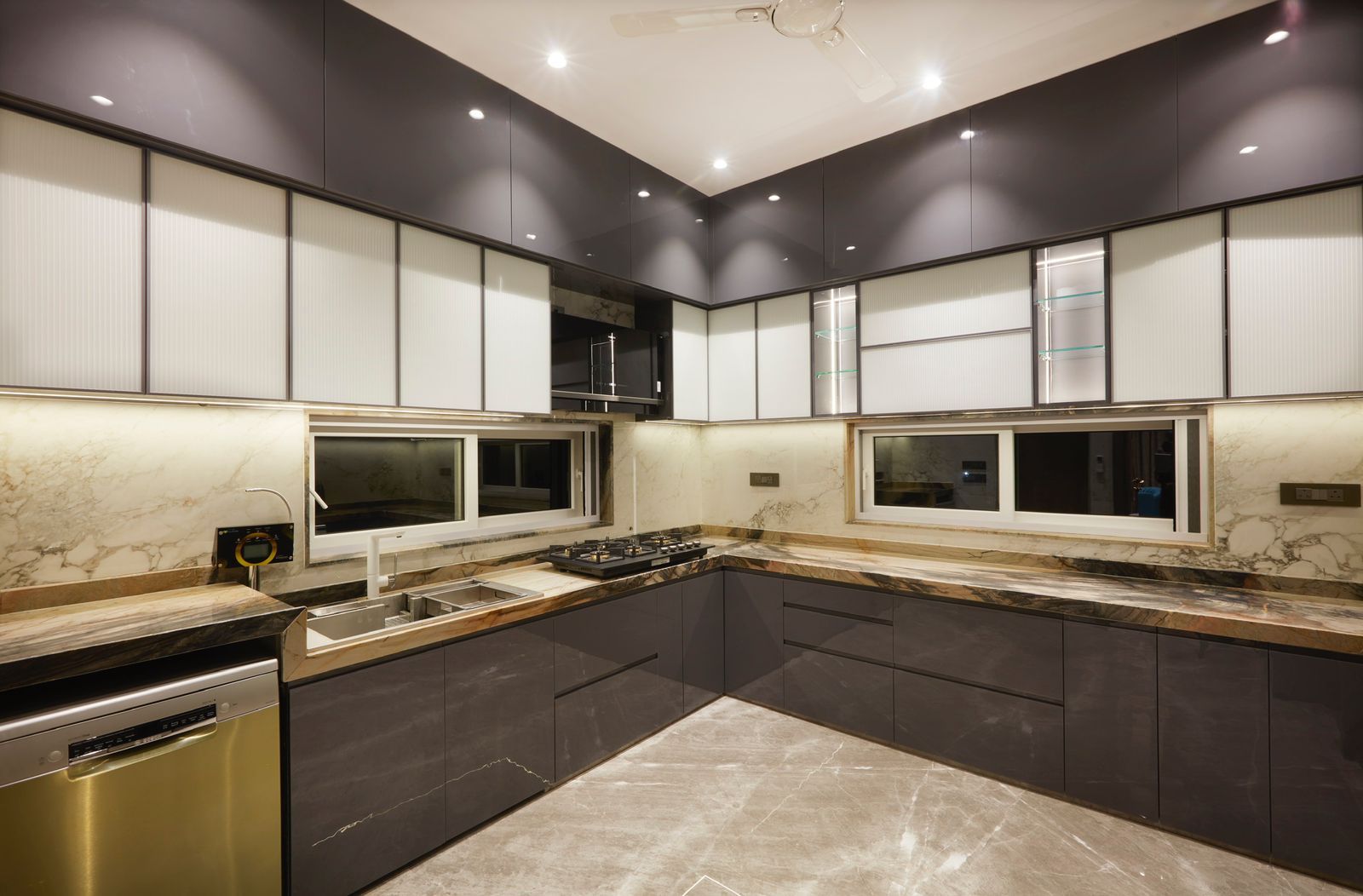
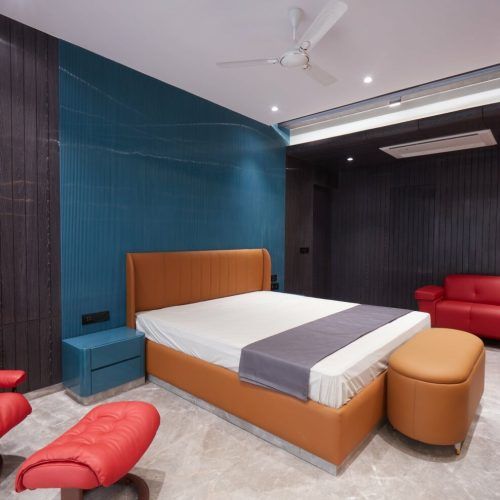
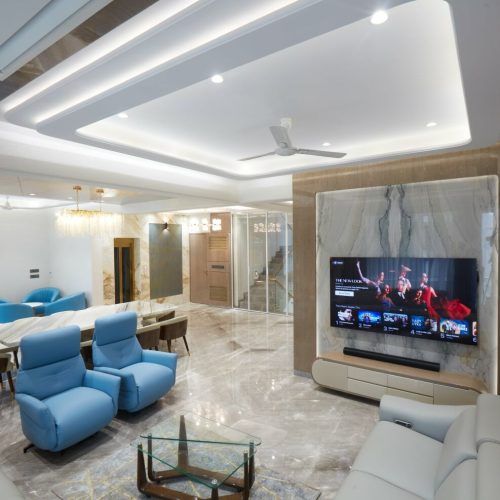
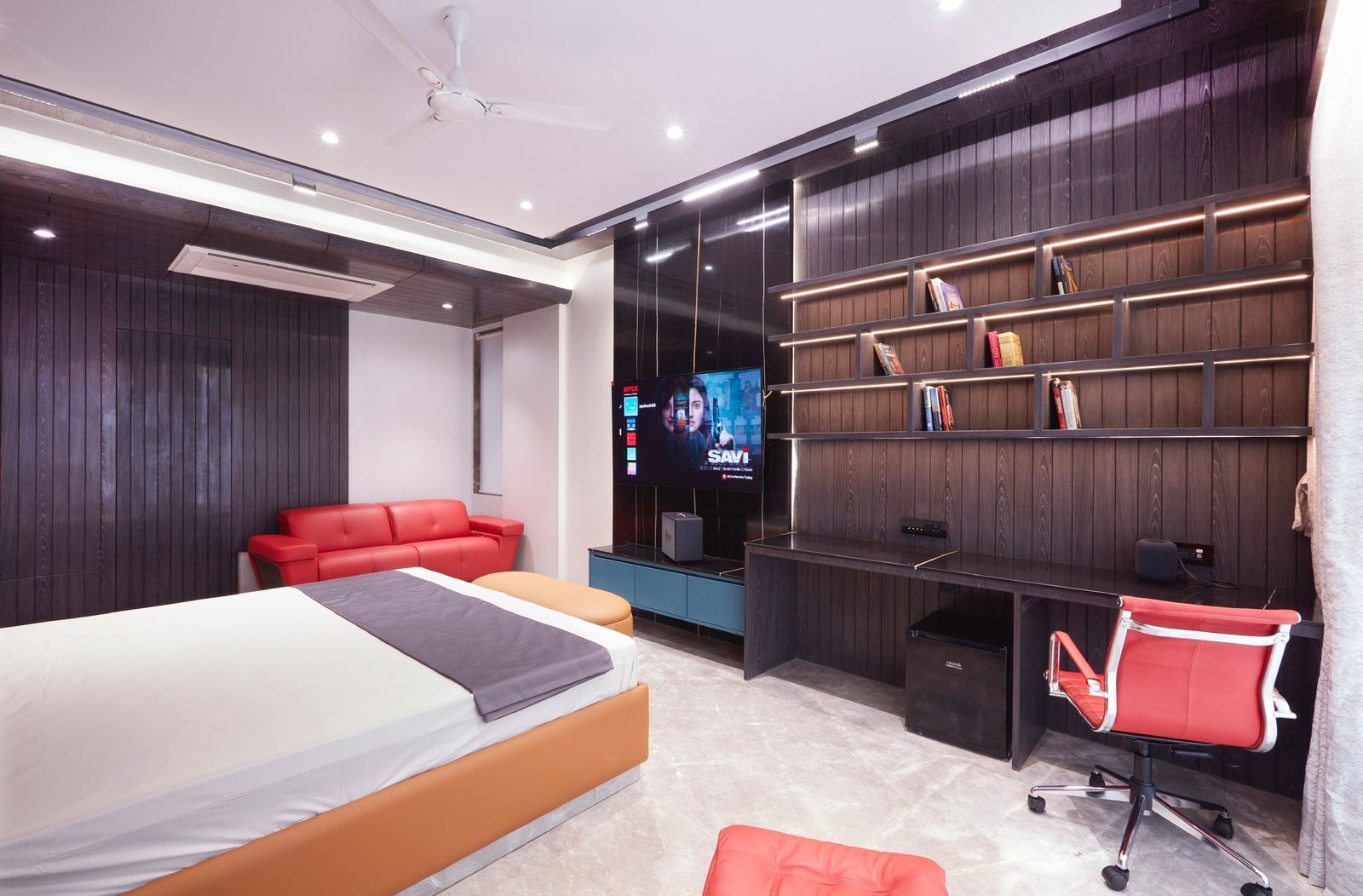
Selected work by Greenbox Design Studio. Tap any image to enlarge.
Frequently asked questions
Which direction should the kitchen face as per Vaastu?+
The south-east, the Agni corner, with the cook facing east. North-west is the usual second choice. In an apartment the kitchen position is fixed by the wet stack, so the practical adjustment is the hob orientation rather than the room.
Is Vaastu the same as Feng Shui?+
No. Vaastu Shastra is an Indian tradition of building orientation and proportion; Feng Shui is a separate Chinese tradition with different directions, elements and remedies. They are sometimes mixed in popular articles, which helps nobody. This checker follows commonly published Vaastu guidance only.
Can Vaastu problems be fixed without breaking walls?+
The traditional remedies for a fixed position are mostly about light, clutter, storage weight and orientation of use — where the hob faces, which wall the bed sits against, keeping the north-east light and clear. Those cost nothing. Anything a consultant proposes that requires structural change deserves a second opinion from an engineer before you agree to it.
Do you refuse projects that do not follow Vaastu?+
No, and we do not add a charge for following it either. We treat a Vaastu note as one more input alongside daylight, ventilation, plumbing and structure. Where they agree, everyone is happy; where they conflict, we set out the options in writing and the client decides.
How do I find the centre of my home for a direction reading?+
Take the carpet-area outline, ignore balconies and projections, and find the approximate geometric centre. Take the compass bearing standing there, away from steel and heavy reinforcement. Everything else in this checker is measured from that point.