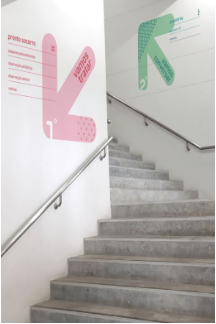
Consistent Branding: Signage can reinforce a brand’s identity through colors, fonts, and logos, creating a cohesive and memorable experience.
Thematic Elements: Integrate thematic designs that reflect the brand’s personality, whether it’s sleek and modern, playful, or elegant.
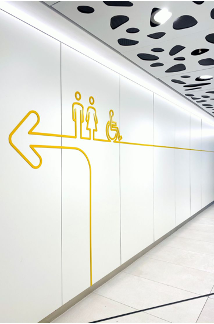
Artistic Elements: Incorporate artistic designs into wayfinding systems to make the navigation experience more enjoyable and visually interesting.
Interactive Installations: Use art installations that double as navigational aids, creating an engaging and multifunctional experience.
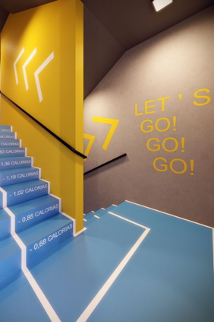
Mood Setting: Design signage that complements and enhances the atmosphere of the space, whether it’s calming, energetic, or sophisticated.
Thematic Integration: Align signage with the overall theme or concept of the space, creating a seamless and immersive experience.
Universal Design: Ensure signage includes braille, tactile elements, and clear fonts for those with visual impairments.
Multilingual Options: Offer information in multiple languages to accommodate diverse populations and improve accessibility.
Aesthetic Appeal: Well-designed signs can be visually striking and contribute to the overall aesthetics of the space.
Interactive Elements: Incorporate interactive features like touchscreens or QR codes that provide additional information or enhance engagement.
Improving Accessibility: Well-designed signage ensures that everyone, including those with disabilities, can find their way around easily. This includes using braille, tactile elements, and clear visual cues.