Tell your story with window displays and focal points
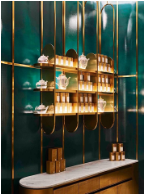
Your window display is a customer’s first impression of your shop and your brand. Window displays should attract attention, speak to a specific lifestyle, be consistent with your brand’s messaging and color palette, and invite people to come inside to learn more. You can also use your window displays to advertise sales, specials, seasonal products, or new merchandise. You can even use window displays to sell directly to shoppers passing by after-hours through the use of QR codes.
Play around with colours
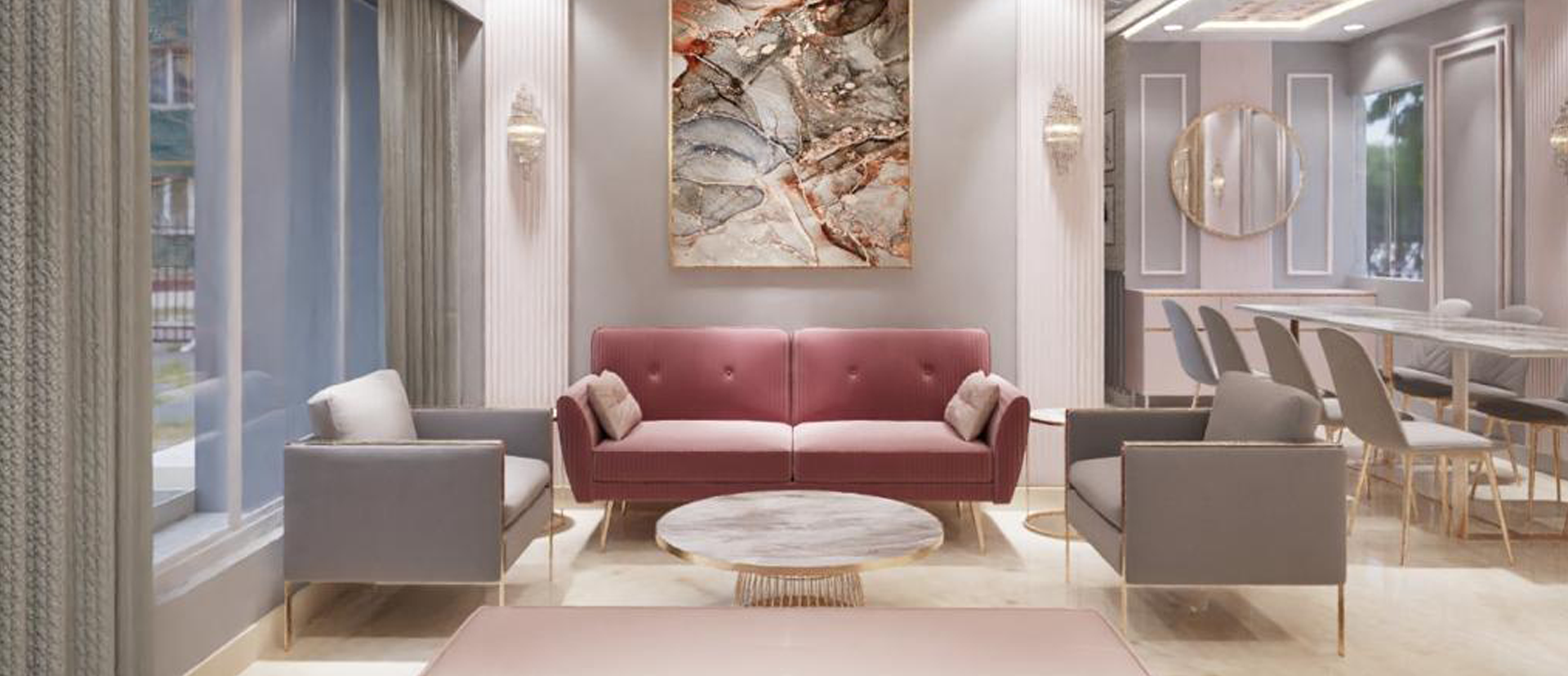
Try to limit your color palette to one main color and two or three accents to avoid a busy or overwhelming space, and remember to be consistent with your color scheme across all channels to build brand awareness.
Immerse customers through touch and smell
Draw on your customers’ senses by putting together displays that encourage them to engage with products by smelling, touching, or picking them up. If you sell scented candles or incense, consider lighting one as part of the display. If you have products that come in boxes, unbox a sample and put
Experiment with lighting (but make sure everything is well-lit)
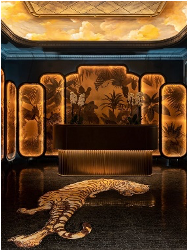
Ambient lighting, accent lighting, decorative lighting, and task lighting all affect the quality of a product display. Your main light fixtures create ambient lighting and should be bright enough that everyone can see the merchandise without creating an unpleasant or glaring environment. Your focal points and window displays should also include accent lighting to draw customers’ eyes to key products and signage,
Spotlight your bestsellers
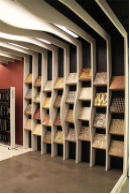
For most retailers, the bulk of their sales comes from a few consistently best-selling items. If you know your customers buy a lot of mixing bowls, be sure to make the cooking display front and center in your store. You can even call out that certain items are a customer favorite. Consider shoppers’ eyelines and paths through the shop and prioritize displays that highlight your star products.
Remember that less is usually more
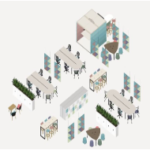
An overcrowded store can be an uninviting store. Consumers tend to associate open spaces in retail environments with higher value, so avoid overstuffing your shelves and racks. Instead try to make the most of your space, prioritize cleaning and organizing, and ensure that customers of varying heights can see all the merchandise.