Visual Comfort and Aesthetics
Visual Clarity: Proper lighting ensures that workspaces are well-lit, which is crucial for tasks that require detailed work, such as reading and data entry.
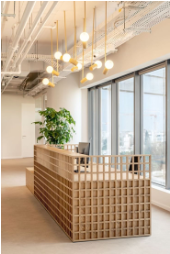
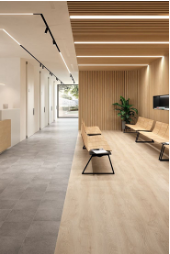
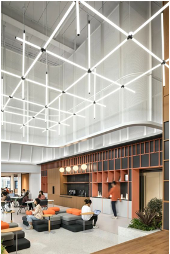
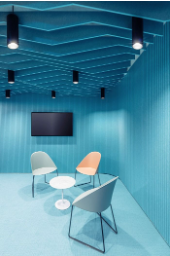
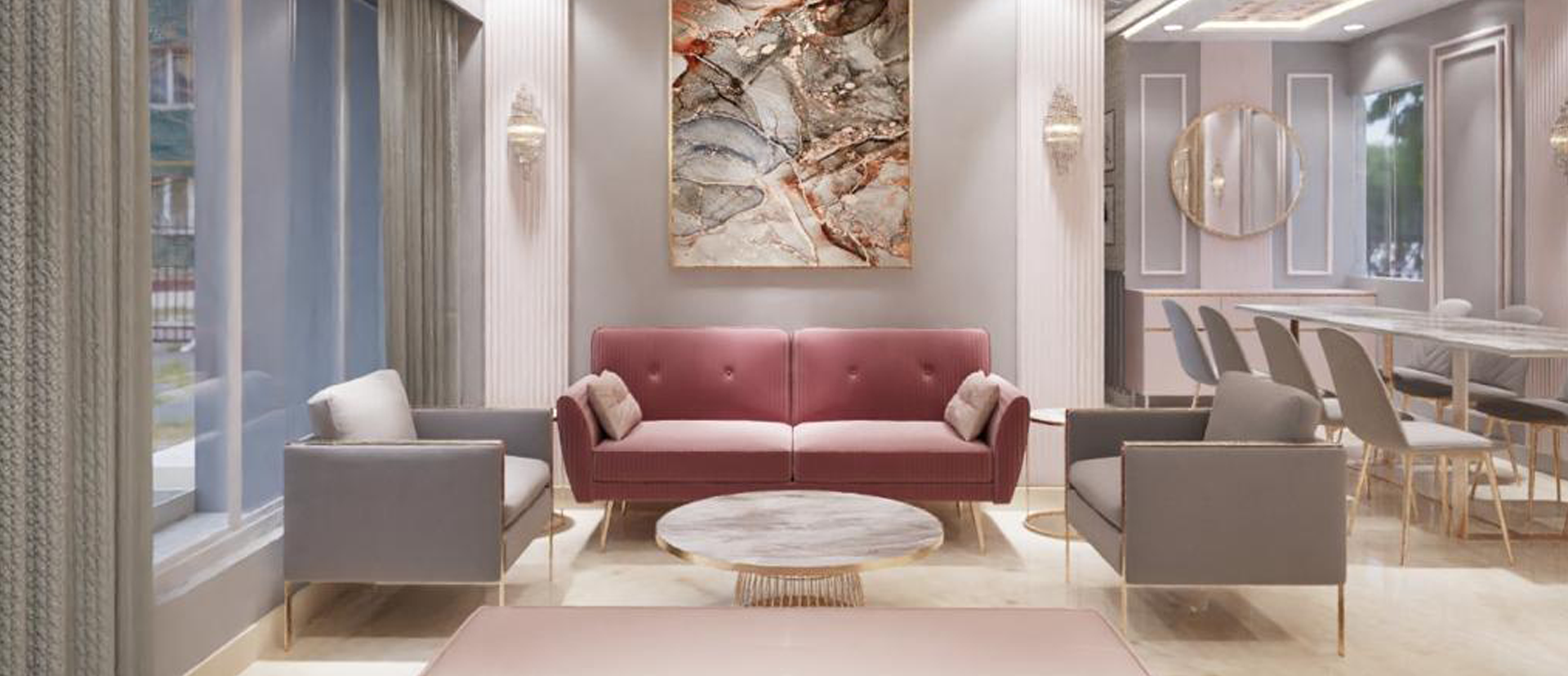
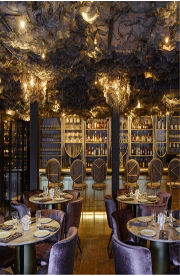
Aesthetic Appeal: Good lighting enhances the overall look and feel of the office space, making it more inviting and professionally appealing. It can highlight architectural features and create a more engaging environment.
Flexibility and Adaptability
Adjustable Lighting: Providing adjustable lighting options allows employees to customize their lighting environment based on their personal preferences and task requirements.
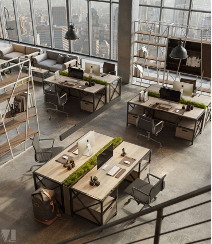
Task Lighting: Incorporating task lighting, such as desk lamps or adjustable spotlights, helps employees focus on specific tasks while maintaining general ambient lighting.
Space Perception
Perceived Size and Comfort: Well-designed lighting can make a space feel larger and more open. Proper lighting can also help create a more comfortable and inviting atmosphere by softening harsh shadows and creating a pleasant ambiance.
Employee Well-Being
Mood and Morale: Good lighting can positively influence mood and overall morale. Natural light, in particular, is linked to increased happiness and reduced stress levels.
Health Benefits: Exposure to natural light can help prevent Vitamin D deficiency and reduce the risk of headaches and eye strain associated with poor lighting.
Energy Efficiency
Reduced Energy Consumption: Energy-efficient lighting options, like LED bulbs, consume less power and have a longer lifespan compared to traditional incandescent bulbs, leading to lower energy bills and reduced maintenance costs.
Smart Lighting Systems: Implementing motion sensors and smart lighting controls can automatically adjust lighting based on occupancy and time of day, further reducing energy use.