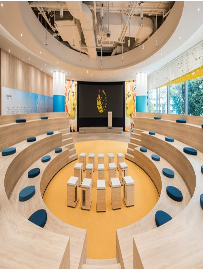
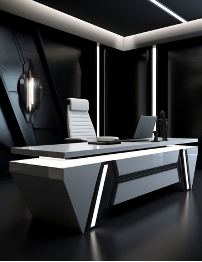
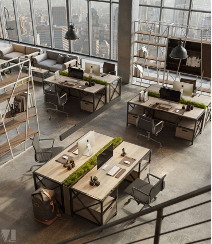
Hybrid Workspaces: With the rise of remote work, many companies are adopting hybrid models that combine in-office and remote work. Offices are being redesigned to support both individual work and collaborative activities.
Flexible Layouts
Adaptability: Spaces should be adaptable to various work styles, including open-plan areas, private rooms, and collaborative spaces.
Modular Furniture: Use modular and movable furniture to allow quick reconfiguration of spaces.
Technology Integration
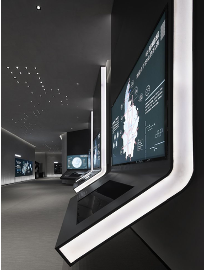
Smart Technology: Incorporate smart lighting, climate control, and voice-activated assistants to create a more efficient and responsive environment.
Connectivity: Ensure robust Wi-Fi and network infrastructure to support digital tools and communication platforms.
Remote and Hybrid Work
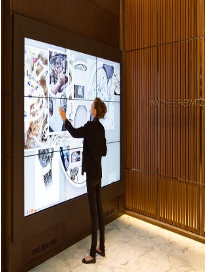
Virtual Collaboration Tools: Invest in high-quality video conferencing equipment and collaborative software to bridge the gap between in-office and remote workers.
Digital Workspace Platforms: Use platforms that integrate various tools and resources, providing a unified experience for remote and in-office employees.
Data Security
Secure Systems: Implement robust cybersecurity measures and data protection protocols to safeguard sensitive information.
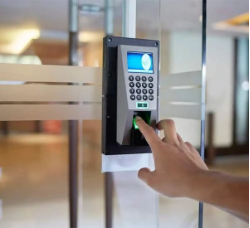
Controlled Access: Use keycard systems or biometric scanners to control access to sensitive areas.
Future-Proofing
Scalable Solutions: Choose designs and technologies that can evolve with changing needs and advancements.
Regular Updates: Periodically assess and update the workspace to keep pace with new trends and technologies